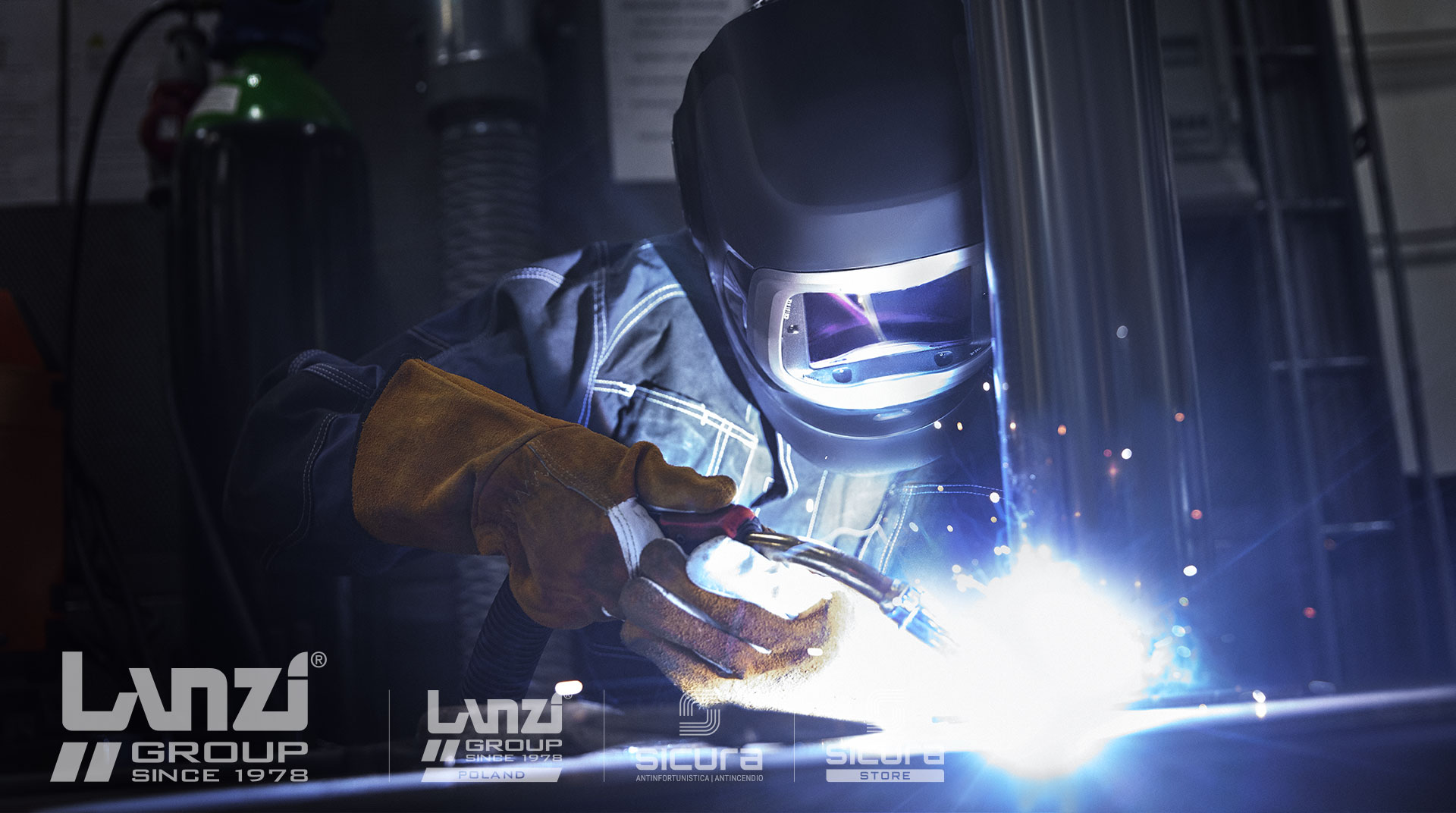
Welding is an essential process in numerous industrial sectors, ranging from metalworking and the automotive industry to maintenance and shipbuilding. However, it is also an activity that can expose workers to various health and safety hazards.
Some of the risks posed by welding, such as heat, sparks and splashes of molten metal, are immediately apparent. Others are less evident, such as exposure to welding fumes and the radiation generated by an electric arc. This is why a welder’s safety depends not only on operator expertise, but also on the adoption of appropriate preventive and protective measures as well as on the selection of the most suitable PPE for welding.
The nature and severity of the risks vary depending on the welding process, the materials worked on, and the working environment. The main risks include:
1. Exposure to welding fumes
Welding fumes consist of very fine particles generated during metalworking. The fumes produced by welding are classified by the IARC as carcinogenic hazards to humans. Exposure can also affect the respiratory system and, particularly if prolonged, contribute to the development of occupational diseases.
It is therefore essential to put in place adequate ventilation and fume extraction measures and, where necessary based on risk assessment, respiratory protective equipment should also be worn.
2. Optical radiation
Electric arcs emit intense ultraviolet (UV) and infrared (IR) radiation, as well as visible light. Without appropriate protection, exposure can cause eye injuries, such as the so-called “arc flash”, as well as skin redness and burns.
3. Burns and projections of incandescent material
Sparks, splashes of molten metal and high-temperature surfaces can cause burns, including serious ones. Suitable gloves, clothing and footwear help protect the operator from such risks.
4. Electrical hazards
Damaged cables, damp environments or improper use of equipment can enhance the risk of electric shocks. Proper maintenance of electrical systems and compliance with operating procedures are therefore essential.
5. Fire and explosion
Sparks and incandescent material can trigger fires or explosions in the presence of flammable substances or potentially explosive atmospheres. Before starting work, it is necessary to make sure that suitable safety measures has been put in place.
6. Noise
Welding related processes, such as grinding and cutting, can generate high noise levels. When necessary based on exposure assessment, appropriate protective measures, including hearing protection devices, must be adopted.
PPE must be selected as a function of the process to be performed, the materials used, the working environment and the risks identified.
Key PPE items include helmets and visors for the eyes and face, respiratory protection devices, gloves, safety clothing and footwear, and, where necessary, hearing protection.
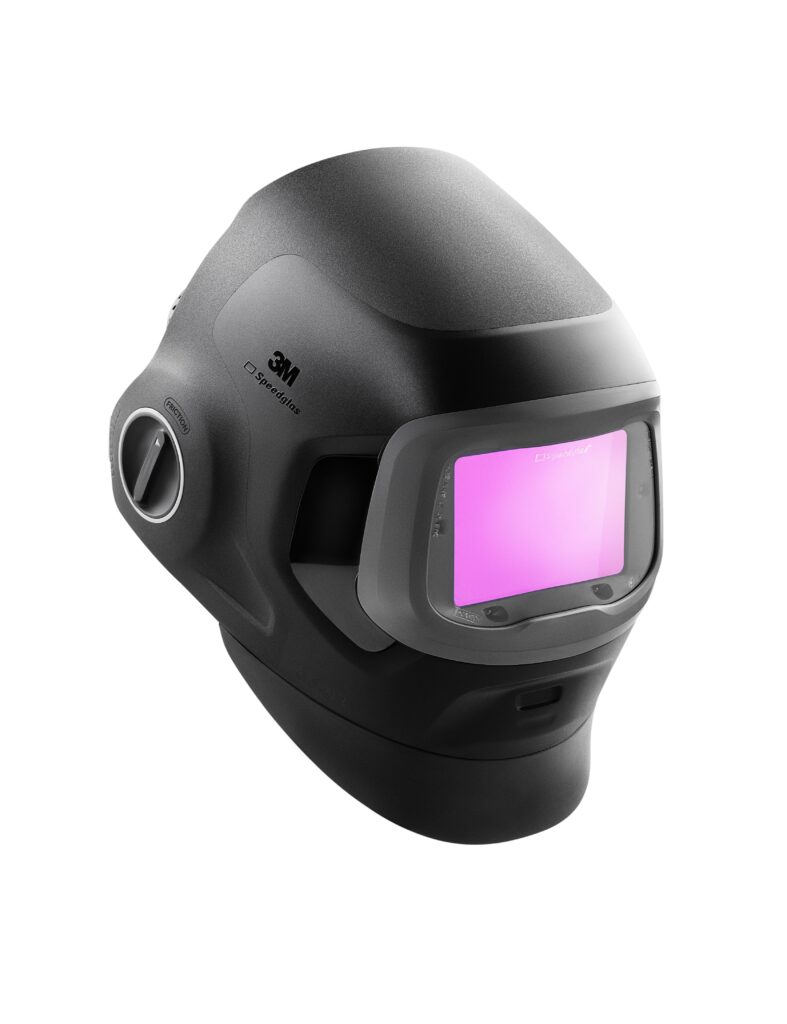
A welding helmet must protect the eyes and face from the optical radiation generated by the electric arc, as well as from sparks and splashes of incandescent material.
A central element is the welding filter, which must have a shade level appropriate to the process and the operating conditions. In auto-darkening filters, the transition from the light state to the dark state protects the eyes when the arc is initiated, while maintaining visibility during the other stages of the work.
Face coverage, field of vision, ergonomics and adjustment options should also be considered, especially in the case of prolonged use. An example of a helmet designed for welding operations is the3M™ Speedglas™ G5-03 Pro.
The choice of respiratory protection for welding must be based on an assessment of the risk and the actual exposure of the operator, taking into account the nature and concentration of the contaminants, the duration of exposure and the working conditions.
Among the possible solutions are powered air-purifying respirators, in which a battery-powered unit draws air through a filtration system and delivers it to the operator’s headgear. Respirator configuration and filter elements must be selected as a function of the contaminants present and the conditions of use.
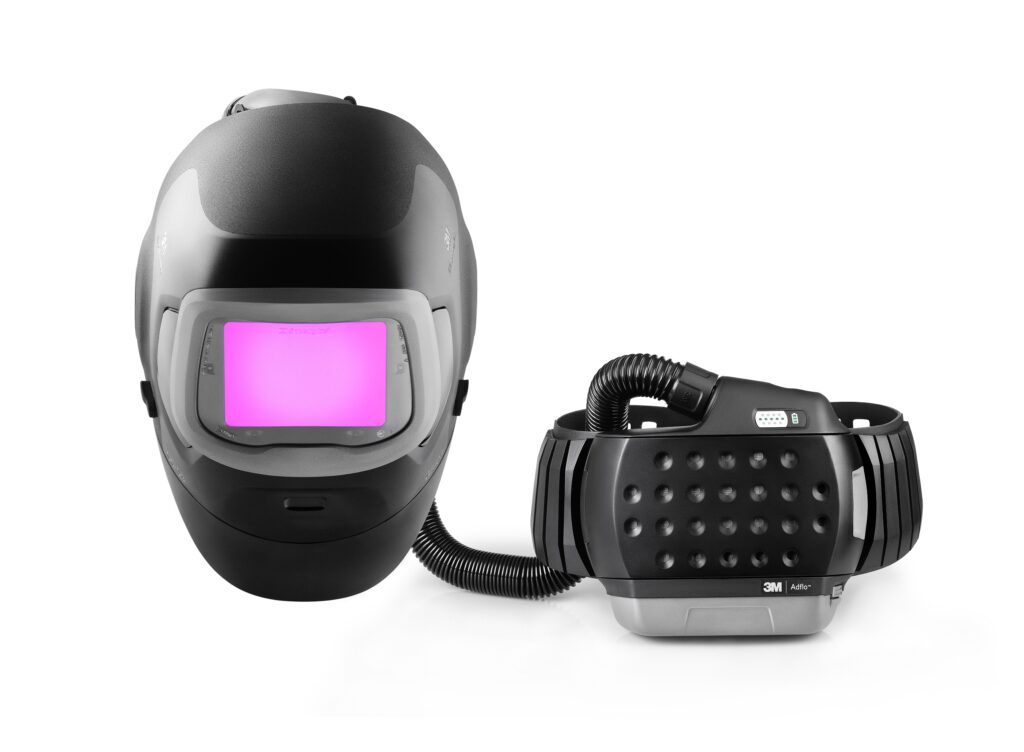
The 3M™ Adflo™ turbo unit comes under this category and can be used with various 3M™ Speedglas™ compatible welding helmets.
Un guanto per saldatura deve offrire un’adeguata protezione termica rispetto a calore, fiamma e proiezioni di metallo fuso e, allo A welding glove must provide adequate thermal protection against heat, flames and molten metal projections, whilst also offering sufficient mechanical strength for the task carried out and possible contact with abrasive, uneven or sharp surfaces.
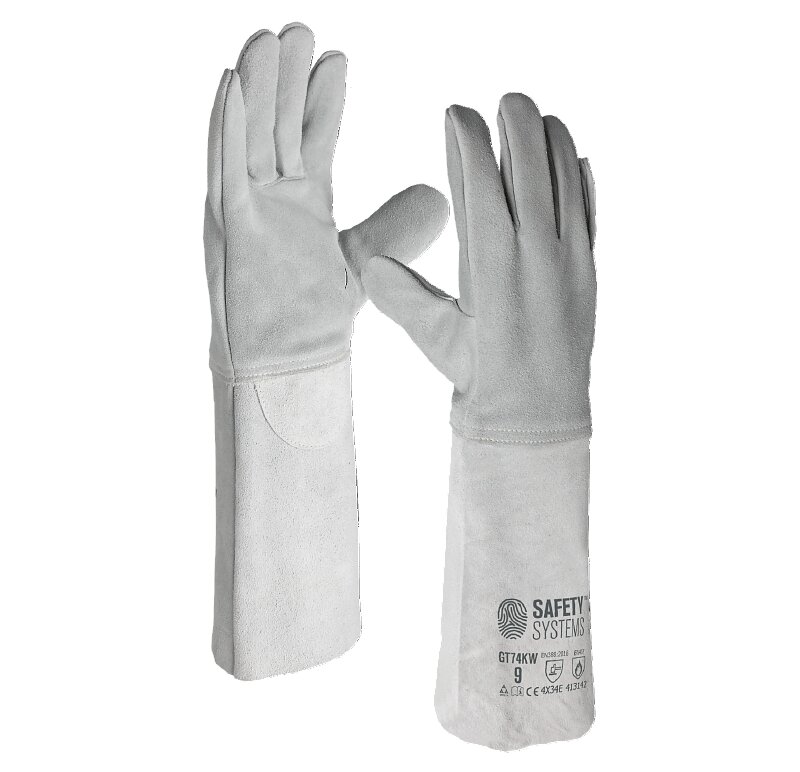
It is also important to consider wrist and forearm protection: glove length and cuff design must be appropriate for the task and the level of exposure to sparks and projections.
Another aspect to be taken into account is dexterity: more demanding tasks may require higher levels of protection, whereas in precision operations, sensitivity and freedom of movement take on greater importance.
The choice must therefore balance thermal protection, mechanical strength, area covered and dexterity as a function of the operations to be performed.
Among the gloves designed for welding applications is, for example, the GT74KW by Safety Systems Hand Protection.
In conclusion, welding safety should also take into due account the hazards that are less immediately visible. Fumes, radiation, heat, noise and material projections require a multi-layered protection strategy, in which each PPE fulfils a specific function. Carefully assessing the characteristics of the welding process and employing PPE suitable for the risks identified helps reduce operator exposure and create safer working conditions.